The Resilient Philosopher | D. L. Dantes
“Freedom is an illusion of free will. Every nation has the right to decide which misery it is willing to accept. However, every decision comes with consequences to live with.”
D. L. Dantes
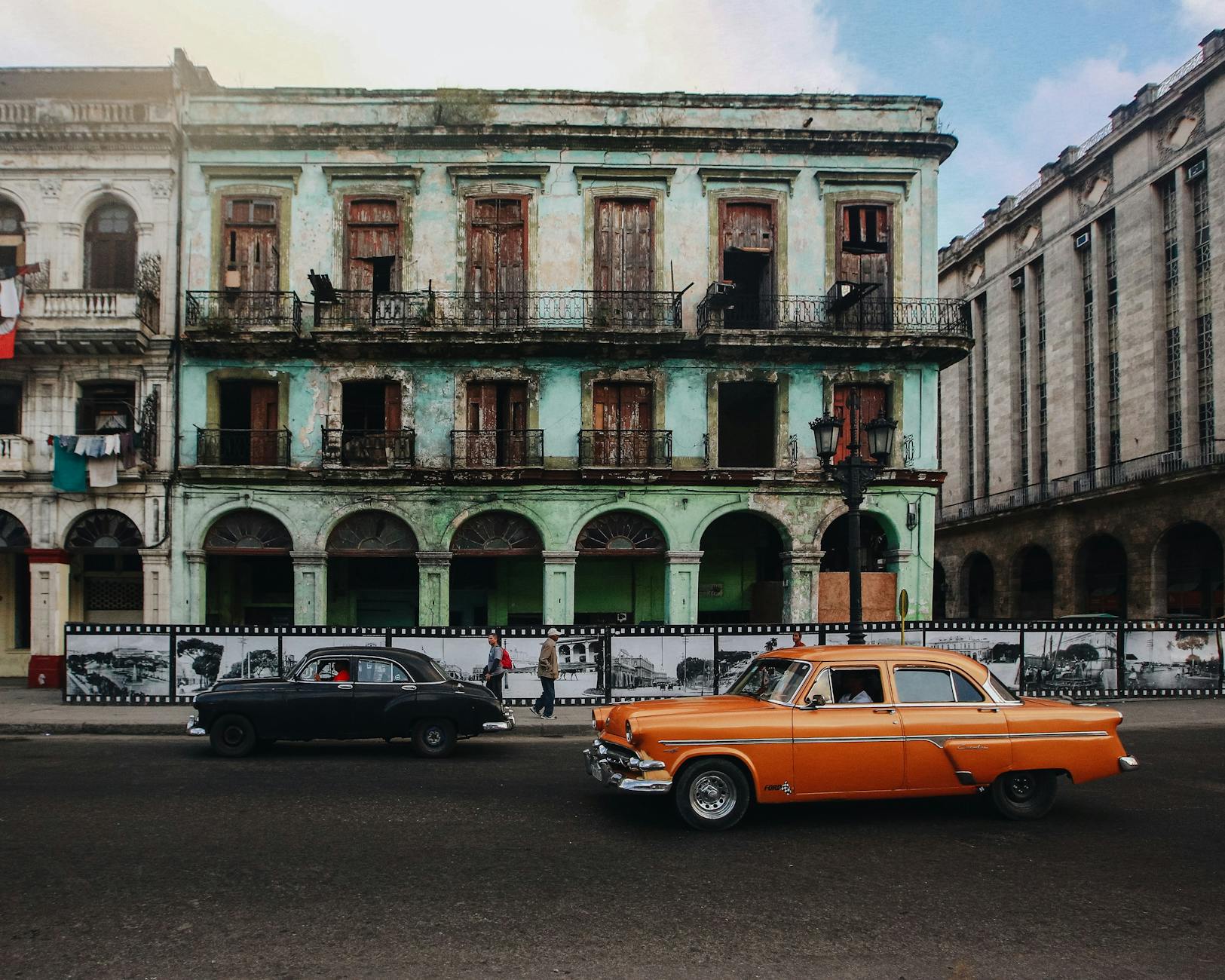
Some topics are debated like teams, but they are really mirrors. Cuba is one of those mirrors. When someone speaks about “fixing” the island like it is paperwork, they are not only making a political claim. They are revealing their definition of freedom. When freedom becomes rhetoric, it becomes dangerous. It can be used to justify the very thing it claims to oppose. That is why I do not write to attack ideologies. I write to expose the paradox inside them, the contradiction where the desire to save becomes permission to control.
National freedom is not a promise, it is an ethical burden
A nation is not free just by declaring itself free. It is not free because an outside power “helps” it become free. A nation is truly free when its people can choose their laws. They must hold that choice without fear and without punishment. They do not need a savior to maintain it. The trap appears when safety is confused with sovereignty, because safety can be purchased, but sovereignty must be practiced. Practicing sovereignty means accepting consequences, even when they hurt, even when the least bad option is still a misery. That is the part propaganda hides and ethics demands we face.
So the real debate is not “which system sounds better.” The real debate is who decides, and by what right they decide. When the decision is drafted outside the island, even with good intentions, it resembles tutelage. Tutelage always charges a quiet price: it reduces agency, trains obedience, and turns citizens into recipients of other people’s plans. Freedom is not a gift from a powerful country. Freedom is the discipline of a people who can say yes and can also say no.
Transition looks more like grief than a return
If a regime collapsed tomorrow, Cuba would not return to the Cuba preserved in exile memory. It would enter a season of grief. It is like the stage after a long divorce. The urgency to feel safe can push people into quick decisions. These decisions are made just to avoid exposure. That is where the myth lives that one nail drives out another. Mistakes are later justified with beautiful language. What is not processed is repeated. What is not understood becomes habit. And habit, when it becomes national, becomes destiny.
That is the danger of a “quick solution” marketed as freedom. Transition requires time to relearn trust. It takes time to rebuild institutions. It is necessary to allow dissent without revenge. Limits must be formed that do not depend on whoever takes power next. If a transition is built on the urgency to replace, it tends to copy. If it is built on the ethics of limiting power, it begins to heal. The difference is not a party label. The difference is character.
The stone in the river and the nation reshaped by decades
Imagine a massive stone falling into a river and blocking much of the flow. The water does not stop. It learns to move around the stone, and over time the channel changes. The depth changes. The width changes. A town adapts to living with less current and builds its life around that reduced normal. Decades later, when the stone is finally removed, the river does not return to what it was. Force returns through a different channel, and that force can collapse what was built during scarcity.
That is what prolonged control does to a country. Scarcity is not only economic, it shapes social character. Fear does not only silence speech, it trains bodies and communities to survive by minimizing risk. When control breaks, the current returns, but society has already been molded by survival. That is why freedom must encompass civic culture. It should set limits on power. Justice should be pursued without revenge. A public language is crucial where dissent is not treated as a crime.
Exile and the temptation of convenience
Exile wants a free Cuba. That longing can be genuine love or nostalgia, and often it is both. The ethical problem appears when the proposed solution benefits the speaker more than the people who live there. Annexation or territorial status can feel “safe.” It offers the promise of return without loss. It guarantees imported stability. It promises a familiar system for someone who has adapted to another life. It is a human temptation. It is also a moral risk, because it can turn the desire for freedom into a claimed right to impose.
Speaking Spanish is not the same as inhabiting the island’s cultural language after decades away. The island changes. Its codes change. Its wounds change how it trusts. When memory leads, the impulse is often to retake, not to understand. Exile can support, expose, invest ethically, and amplify voices. However, it should not replace the legitimacy of those who will carry the direct cost of every decision. Legitimacy is not measured by intensity. Legitimacy is measured by consequence.
Consent: the line between freedom and domination
Here is the question that makes every side uncomfortable because it does not allow propaganda. Can a people choose their future without threats, without punishment, and without retaliation? If the answer is no, the outcome will be another form of tutelage, even if it is painted as progress. Consent means the right to vote without fear. It also means the right to organize without persecution. Consent includes the right to criticize without prison. It is the right to reject a destiny without being punished for rejecting it. Without that, the word freedom becomes decoration.
This is also where ideologies become dangerous when they turn into religion. Sometimes the “good guy” uses the same method as the “bad guy” to win. He believes the outcome absolves the method. Sometimes the “bad guy” performs a useful act and people confuse usefulness with goodness. If the devil helps someone, he does not become God. If God punishes someone, he does not become the devil. Actions matter, but patterns matter more. In politics the pattern is simple: if saving requires silencing, it is not freedom. It is control with a new name.
Closing reflection
Cuba does not need a new owner or a newer narrative with better marketing. Cuba needs the real right to decide without tutelage. That right is not sentimental. It is structural. It means institutions that allow dissent. It requires limits that prevent saviors. It demands a people with enough voice to accept consequences. This must occur without surrendering sovereignty. Freedom will remain imperfect because every choice is imperfect. However, it will be authentic if it is born from the island’s consent. It should not come from the outside world’s convenience. If this reflection resonates, my published work develops it further. In it, I treat freedom as an ethical boundary rather than a propaganda tool.
D. L. Dantes
Leave a Reply