By D. León Dantes | The Resilient Philosopher | Vision LEON LLC
Introduction
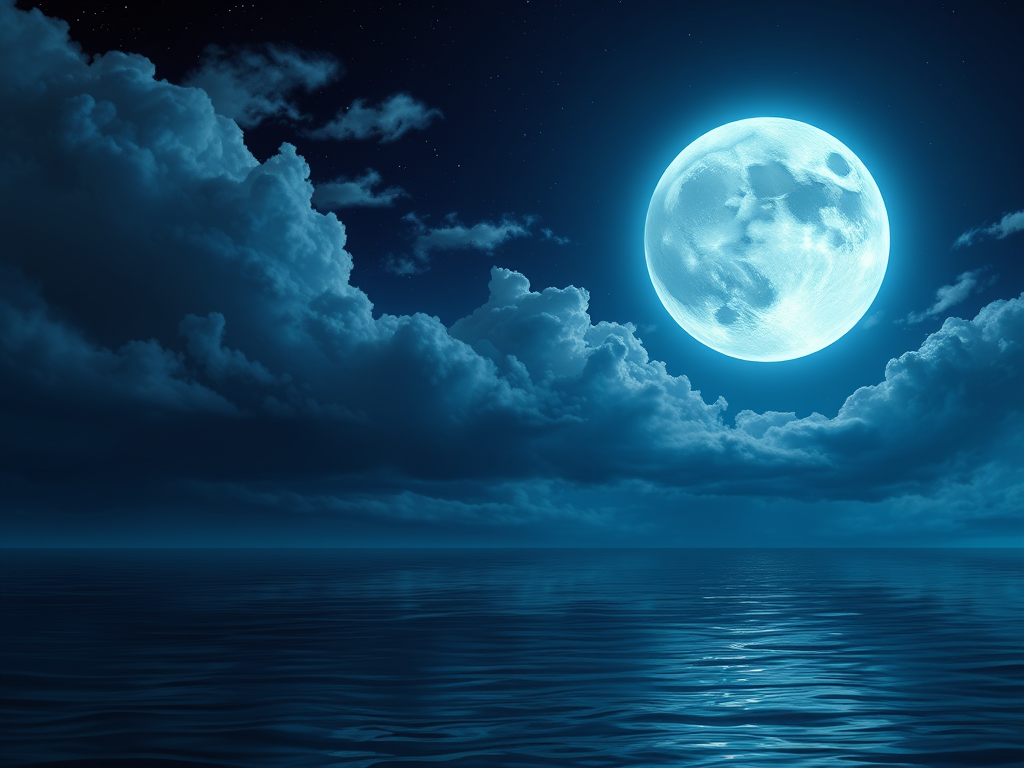
Nature offers the most profound metaphors for how we live, love, and heal. The cycles of the moon show these rhythms. The dance of sunrise and sunset parallels our emotional states. The interplay of light and darkness echoes in our own emotional landscapes.
As Carl Jung once observed:
“One does not become enlightened by imagining figures of light, but by making the darkness conscious.”
In a world that often demands constant exposure, it is wise to be cautious. Guard which side of yourself you show and to whom.
The Healing of Light and Darkness
As the night gives rest, so do those we love give rest to us. The day is the time for growth and action; the night is when we restore and heal.
I thought I knew love. However, all I knew was light. These relationships made me stronger but never healed my deeper wounds.
“Relationships that only affirm your light can never help you integrate your shadow.”
(The Resilient Philosopher, p. 42)
Stoic Reflection:
Marcus Aurelius wrote:
“The impediment to action advances action. What stands in the way becomes the way.”
Even pain becomes the path, if you have the courage to walk it.
Be Like the Moon
Always be like the moon. Show the side of yourself that reflects the light—the part that can guide others through darkness. Yet understand that there will be times you must turn inward, to rest and renew.
“If you always show your dark side, there will be people who will make use of it.”
Jungian Reflection:
Carl Jung believed that our shadow is not evil but misunderstood:
“The most terrifying thing is to accept oneself completely.”
Discernment—deciding who has earned the right to witness your darkness—is the essence of emotional maturity.
My Philosophy:
“Vulnerability without boundaries is self-sabotage disguised as authenticity.”
(The Resilient Philosopher, p. 59)
The Circle of Trust
Surround yourself with a special few who can see you fully—who can witness your phases without judgment.
“Hold on to them as the earth holds on to the moon.”
These relationships are sacred, because they make it safe to be imperfect.
Stoic Reflection:
Seneca reminds us:
“Associate with people who are likely to improve you.”
In other words, your circle shapes your resilience.
My Philosophy:
“Trust is the soil where vulnerability can bloom into connection.”
(The Resilient Philosopher, p. 72)
Protecting Your Ecosystem
Always look at nature and you will understand: we are part of an ecosystem. What ruins an ecosystem is the invasive species—people who consume without contributing.
“Make sure to remove them before they destroy everything around you, and eventually, you.”
Jungian Reflection:
“People will do anything, no matter how absurd, to avoid facing their own souls.”
Sometimes, removing the invasive influence in your life forces others to confront their own darkness.
Stoic Reflection:
Epictetus wrote:
“The key is to keep company only with people who uplift you, whose presence calls forth your best.”
Conclusion
The moon does not apologize for its cycles. It shines, it hides, it renews itself.
You, too, have the right to decide when to reflect light and when to rest in darkness.
“Philosophy is not something you do in quiet hours it is the framework through which you decide what you will allow into your life.”
(The Resilient Philosopher, p. 15)
Live deliberately. Protect your ecosystem. Be like the moon.
Call to Action
If this reflection resonated with you, I invite you to:
✅ Share your thoughts in the comments
✅ Explore The Resilient Philosopher: The Prism of Reality for more guidance on self-mastery
✅ Subscribe to my newsletter for weekly essays on resilience, leadership, and philosophy
Leave a Reply