By LEON Leadership Group
The Science Behind Pet Therapy
For individuals managing anxiety, depression, or other mental health challenges, pets serve as a stabilizing force. Their predictable routines and unwavering companionship offer emotional support during difficult times.
Small Pets, Big Benefits
While dogs and cats are often recognized for their therapeutic impact, small pets can be just as beneficial for mental health.
1. Hamsters, Guinea Pigs, and Rabbits
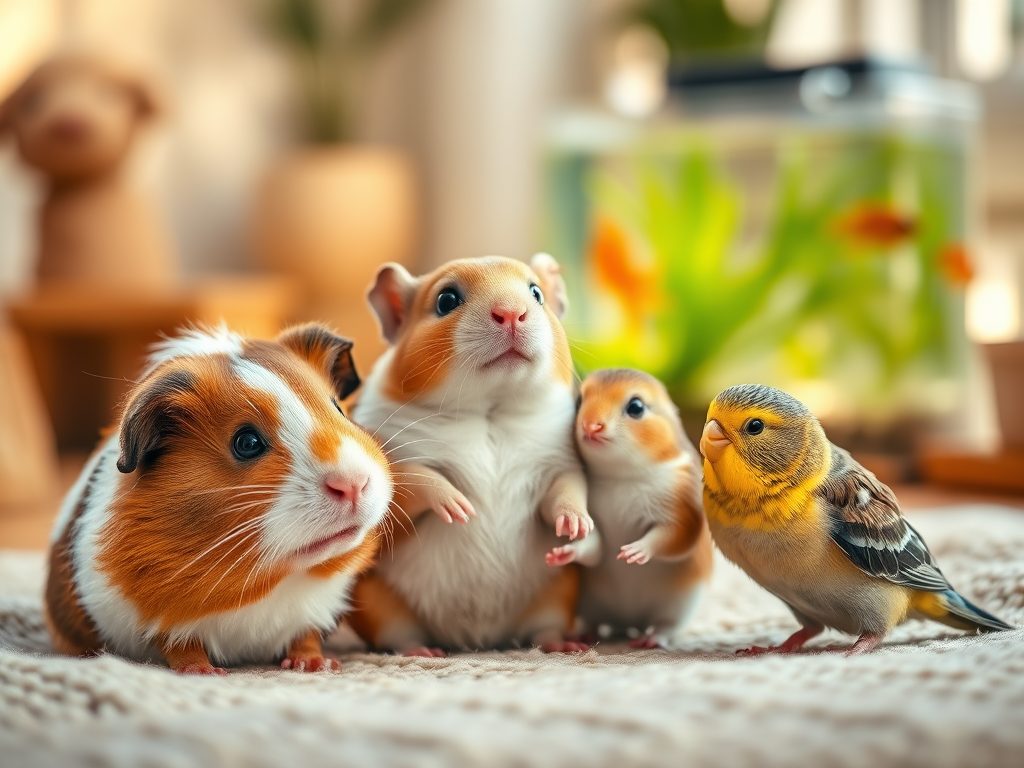
These furry companions provide comfort and stress relief. Holding and stroking them can lower heart rate and blood pressure. Guinea pigs, in particular, are known for their playful behavior and social nature.
2. Birds
The cheerful chirping of birds can improve mental health and create a sense of connection with nature. Studies suggest that listening to birdsong can reduce anxiety and promote relaxation.
3. Fish
Watching fish swim has a calming effect, lowering stress levels and promoting mindfulness. Aquariums are often placed in hospitals and offices to help reduce anxiety and create a peaceful atmosphere.
4. Reptiles (Turtles, Geckos, and Bearded Dragons)
Reptiles offer quiet companionship and are ideal for individuals seeking low-maintenance pets. Their slow, deliberate movements can be soothing and promote a sense of calm.
5. Mice and Rats
Mice and rats are intelligent and social animals. They recognize their owners, enjoy interaction, and can be affectionate. Their playful antics provide mental stimulation and joy.
Emotional and Mental Health Benefits
- Companionship: Pets provide nonjudgmental companionship, reducing loneliness.
- Routine and Responsibility: Caring for an animal fosters a sense of purpose and routine, beneficial for individuals with depression.
- Stress Reduction: Interaction with pets lowers stress levels and enhances mood.
- Mindfulness and Presence: Pets live in the moment, encouraging mindfulness and appreciation of the present.
Conclusion
Regardless of their size, pets have a remarkable ability to heal, comfort, and bring joy into our lives. Their companionship offers stability in a chaotic world, proving that healing does not always come from grand gestures but rather from the simple, unconditional love of a pet.
Leave a Reply