By D. Leon Dantes | The Resilient Philosopher | Vision LEON LLC
Introduction: Superstition or Ancient Knowledge?
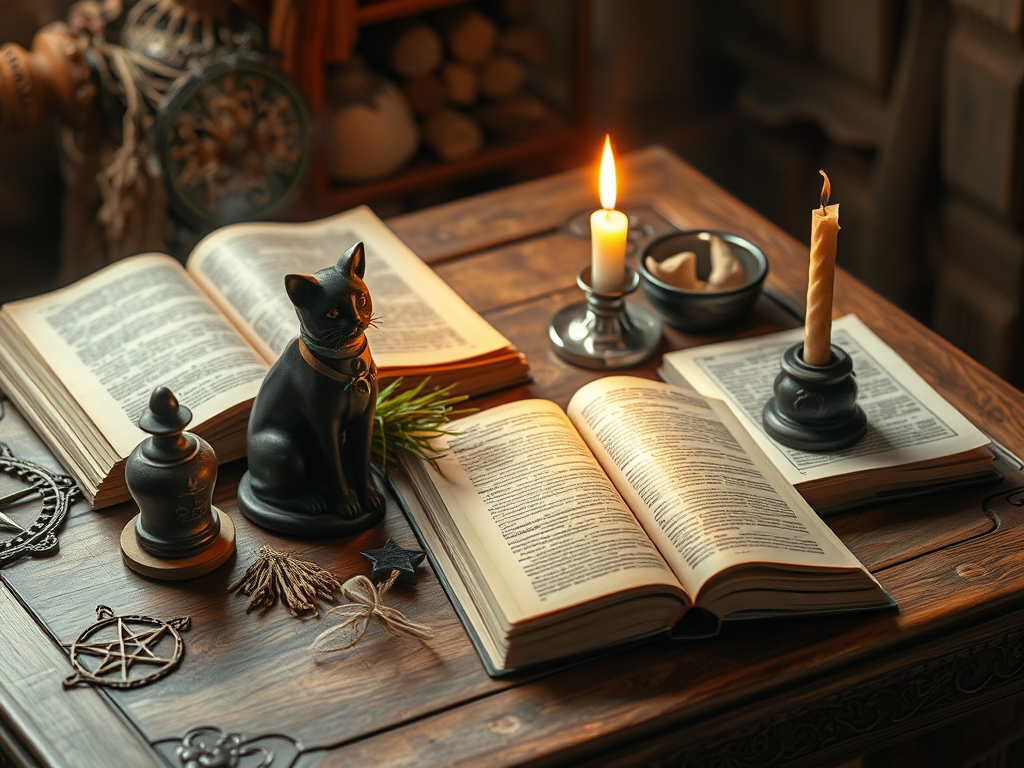
Superstition has shaped human rituals and beliefs for centuries—whether it’s knocking on wood, fearing broken mirrors, or burning herbs to cleanse a space. But are these merely irrational fears, or do they reflect ancient wisdom passed down through generations?
Could superstition be humanity’s earliest form of intuitive science?
The Influence of Folklore in Daily Life
In many cultures, superstition isn’t silly—it’s spiritual hygiene. It’s a form of protection, observation, and respect for the unseen.
- Some believe the wind carries messages.
- Others hang herbs, salt, or stones to block negative energy.
- Numbers, colors, and animals carry symbolic meaning passed through oral tradition.
These practices are found in every civilization, suggesting a universal human instinct to interpret reality not just through logic—but through intuition and symbolism.
Signs, Omens, and Ancestral Traditions
Superstitions often revolve around signs—repeating numbers, dreams, animal behavior, or celestial events.
Lighting candles or offering food to ancestors isn’t about fear—it’s about respect. These rituals acknowledge that human beings are not the center of the universe, but part of a broader cosmic order.
As I explore in The Resilient Philosopher: The Prism of Reality:
“Superstition is not ignorance. It’s encrypted knowledge, stored in ritual until the language of science catches up.”
The Science vs. Spirituality Debate
Science demands proof. Superstition operates in patterns, symbols, and energy. But the gap between them is shrinking.
Many ancient beliefs—like moon cycles affecting mood, energy fields around the body, or the healing properties of sound—have now found scientific validation through neuroscience, quantum physics, and energy medicine.
So what were our ancestors doing?
They were observing. They were listening. They were building systems of meaning from the invisible forces we now try to measure.
Conclusion: A Bridge Between Logic and Mystery
Perhaps superstition isn’t ignorance—it’s early wisdom. A bridge between instinct and insight. It speaks to our desire to make sense of mystery, to find meaning in patterns.
So the real question isn’t:
“Is superstition real?”
It’s:
“What if it holds more truth than we realize?”
📚 Suggested Reading
- The Resilient Philosopher: The Prism of Reality – D. Leon Dantes
- The Resilient Mind Vol. 2 – Mastering the Self
- Carl Jung – Synchronicity: An Acausal Connecting Principle
- Joseph Campbell – The Power of Myth
Leave a Reply