Series: When Collapse Becomes a Business Model: The Workers Holding the Invoice
“The people closest to the work are often the farthest from the decisions, yet they are the first to pay when the decisions fail.”
D. L. Dantes
Introduction
Every company has a point where the language of leadership meets the reality of the floor. The board may speak of strategy, the executives may speak of growth, the consultants may speak of transformation, and the brand may speak of confidence. But the worker feels the truth before the report admits it.
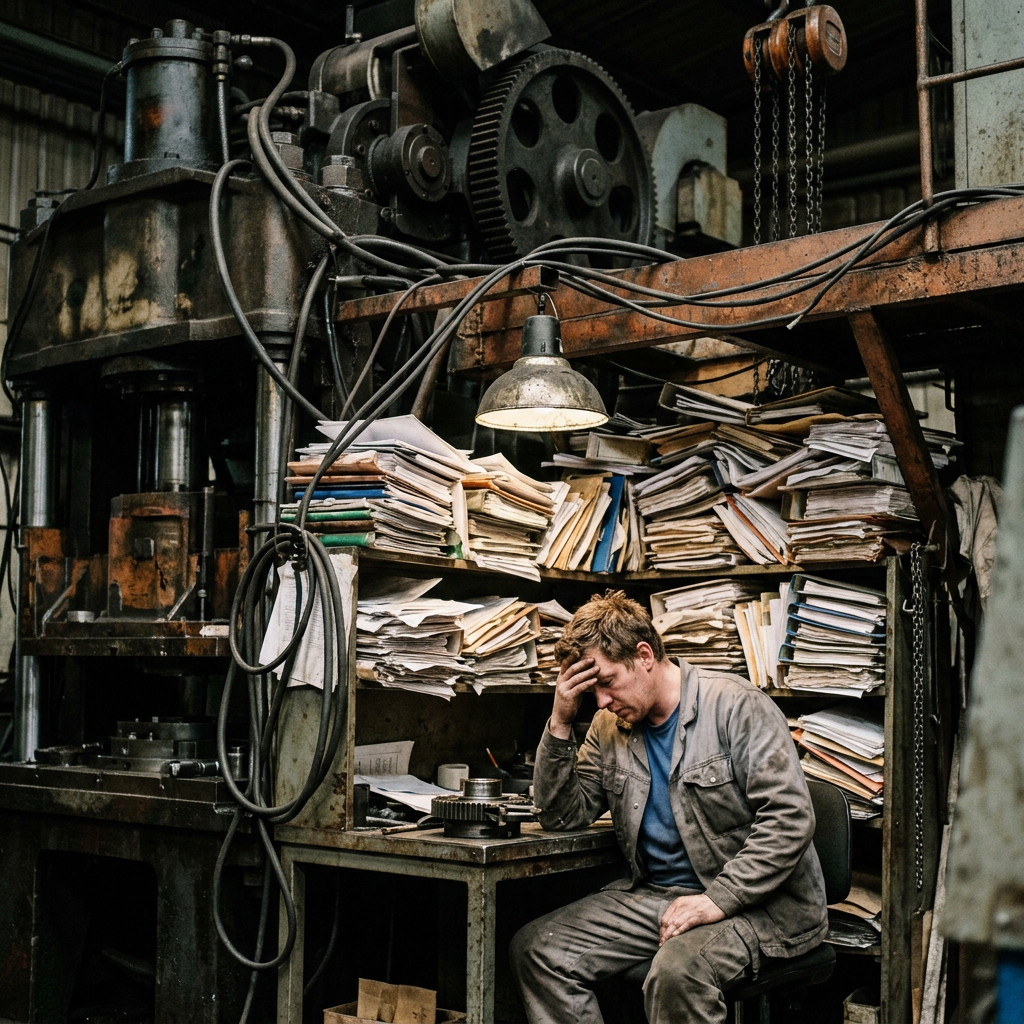
The worker feels it in the schedule, the machine, the broken process, the short staffing, the frozen wage, the unsafe shortcut, and the pressure to keep producing while the people above them explain why the system is still healthy. That is how the invoice travels downward. It begins as a decision made far from the work, but it arrives as a cost carried by the people doing the work.
The Cost Moves Downward
A failing company often protects the people closest to the decision before it protects the people closest to the consequence. Executives may leave with compensation, shareholders may recover part of their position, consultants may move to the next client, and the brand may be redesigned for another campaign. The worker does not move that easily.
The worker carries the collapse in ordinary ways. Hours are cut, shifts are stretched, benefits change, safety concerns are minimized, and expectations rise while support shrinks. The company may call it adjustment, restructuring, or efficiency, but for the worker, it becomes life pressure. The invoice is not theoretical when it reaches the dinner table.
When Flexibility Becomes Burden
Flexibility can be healthy when it is shared across the organization. Workers can adapt, managers can adjust, departments can cooperate, and leadership can respond honestly to changing conditions. But flexibility becomes exploitation when only one class of people is expected to bend.
That is what happens when poor planning becomes the worker’s emergency. A bad contract becomes overtime. A weak process becomes stress. A leadership mistake becomes discipline. A branding promise becomes pressure on the floor. The people with the least control over the original decision are often asked to show the most resilience after the damage begins.
The Floor Remembers
The floor remembers what leadership forgets. It remembers who warned about the machine, who reported the quality issue, who asked for training, who saw the staffing problem, and who was told to keep moving. Workers may not always use the language of governance, but they understand patterns through experience.
That memory matters because trust is built or broken through repetition. If the company repeatedly protects the top while correcting the bottom, the worker learns the true policy. The handbook may say one thing, the values poster may say another, but the pattern tells the truth. Workers do not only listen to what an organization says. They watch what it protects.
“A company teaches its values by where the consequences land.”
D. L. Dantes
Collapse becomes visible when the workers can no longer carry what leadership refuses to name. A healthy company does not ask the floor to absorb every failure from above. It listens early, corrects honestly, shares responsibility, and refuses to turn workers into shock absorbers for decisions made without them. When the people closest to the work are finally heard, the company still has a chance to interrupt the pattern. When they are ignored, the invoice will keep moving downward until there is no one left strong enough to carry it.
By D. L. Dantes, The Resilient Philosopher
Leave a comment and share this article with others who may benefit from the reflection.

