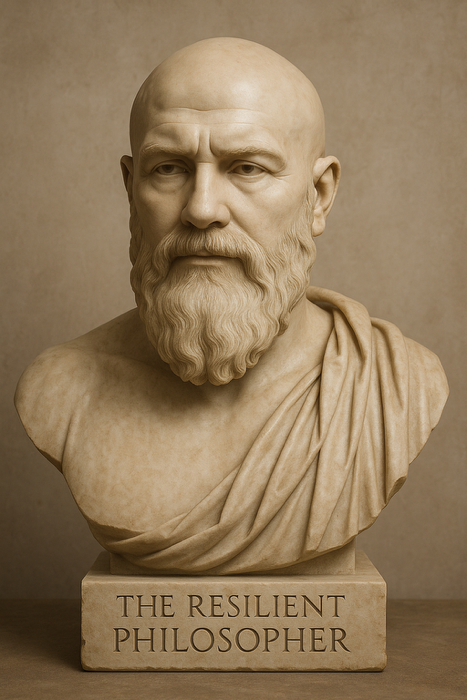
Series: Before Heaven, There Is Life: Is It God, or Is It Survival?
“If I love God only because God can remove my fear of death, then am I loving God, or am I loving survival?”
D. L. Dantes
Introduction
There is a difficult question hidden inside faith, and many people avoid it because it feels disrespectful to ask. If a person loves God because God promises everlasting life, resurrection, paradise, reunion, or escape from death, is that love for God, or is it love for survival? The question is uncomfortable because it does not accuse belief from the outside. It asks belief to examine itself from within.
This is not a mockery of faith. Faith can transform people. A person may face addiction, prison, grief, guilt, collapse, or loss and say, “Before that moment, I was lost. After that moment, I found God.” That before and after matters. If faith helps someone become more accountable, more compassionate, more disciplined, and more alive, then the transformation carries meaning. But transformation should not prevent examination. It should deepen it.
When Fear Learns to Pray
Trauma has a way of stripping life down to its most urgent questions. A person who once ignored death may suddenly feel surrounded by it. A person who never thought deeply about God may begin searching when pain becomes too heavy to carry alone. In those moments, prayer can become language for desperation, hope, confession, and survival.
There is nothing meaningless about that. The most meaningless thing can become meaningful when it changes the direction of a life. But we still need to ask what is happening beneath the surface. Did faith awaken love, or did fear find something powerful enough to obey? Did the person become more conscious, or did the person become dependent on a promise that made death feel less final?
The Survival Instinct in Sacred Clothing
The body wants to continue. It fights for air before the mind explains why breathing matters. That instinct does not disappear because a person becomes religious. It can enter religion, dress itself in sacred language, and call itself devotion. If the fear of death becomes the foundation of belief, then belief may become survival instinct wearing spiritual clothing.
That does not make the believer fake. Human motives are rarely pure. Love, fear, gratitude, guilt, hope, culture, family, trauma, and longing can all live inside the same person. The problem begins when fear is mistaken for love and obedience is mistaken for transformation. A person may kneel, sing, pray, and follow rules, but if the deepest motive is the terror of losing forever, then the heart may not be free. It may be bargaining.
The Price of Seeing Them Again
Few promises are more powerful than the promise of reunion. The thought of seeing a lost parent, child, spouse, friend, or ancestor again can comfort the grieving heart. It gives love continuity when death seems to create separation. In that sense, resurrection and heaven are emotionally powerful because they answer a wound that reason alone cannot heal.
But comfort becomes complicated when reunion is tied to obedience. If worship becomes the price of seeing our loved ones again, then grief is no longer only being comforted. It is being governed. The mourner is not simply told, “There is hope.” The mourner is told, “Believe correctly, obey correctly, return correctly, and maybe love will be restored to you.” At that point, faith risks becoming an emotional economy where fear pays for access to hope.
Love Without Reward
The deeper question is simple: would love remain if reward disappeared? Would a person still love God without resurrection, paradise, protection, or reunion? Would a person still choose compassion if there were no heaven to gain and no hell to avoid? Would goodness still matter if death was truly the end of the body and no invisible accounting system waited beyond it?
If the answer is yes, then love has moved beyond transaction. If the answer is no, then perhaps the person did not love goodness itself. Perhaps they loved the benefit attached to goodness. That is not a small distinction. It separates ethical maturity from spiritual bargaining. It separates reverence from fear management. It separates love from self-preservation.
Closing Reflection
Faith may begin in fear and still lead to transformation. Pain may push a person toward God, and the journey may still make them better. But if belief is never examined, survival can hide inside devotion and call itself love. There is no sense in worrying about what happens after death if we are not learning how to live before death arrives. If God is love, then love cannot wait for heaven to become real. It must become visible here, through how we treat the living while we still have breath.
By D. L. Dantes, The Resilient Philosopher
Next in the series: Heaven Should Not Become Tomorrow
Leave a comment and share this article with others who may benefit from the reflection.