This series was never about gods.
It was about humans.
It was about the symbols we create when reality exceeds our capacity to explain it, control it, or emotionally survive it. Across cultures, across centuries, across belief systems, humanity has always turned to symbols not because we are weak, but because we are complex.
We are multidimensional creatures.
We exist simultaneously in the physical, emotional, psychological, ethical, and symbolic realms. To pretend otherwise is to misunderstand ourselves. What we cannot yet understand, we imagine. What we imagine, we narrate. What we narrate, we ritualize. And what we ritualize, we eventually mistake for truth if we are not careful.
Imagination is always greater than reality.
But imagination is not reality.
That distinction matters.
Why Symbols Exist
Symbols are not lies. They are tools.
A plate is not food, yet the moment we see a plate, we understand eating. We do not need the plate, but the plate organizes behavior, expectation, and meaning. Symbols work the same way.
They compress complexity into something the psyche can carry.
Athena was never reason itself.
She was the symbol of disciplined thought under pressure.
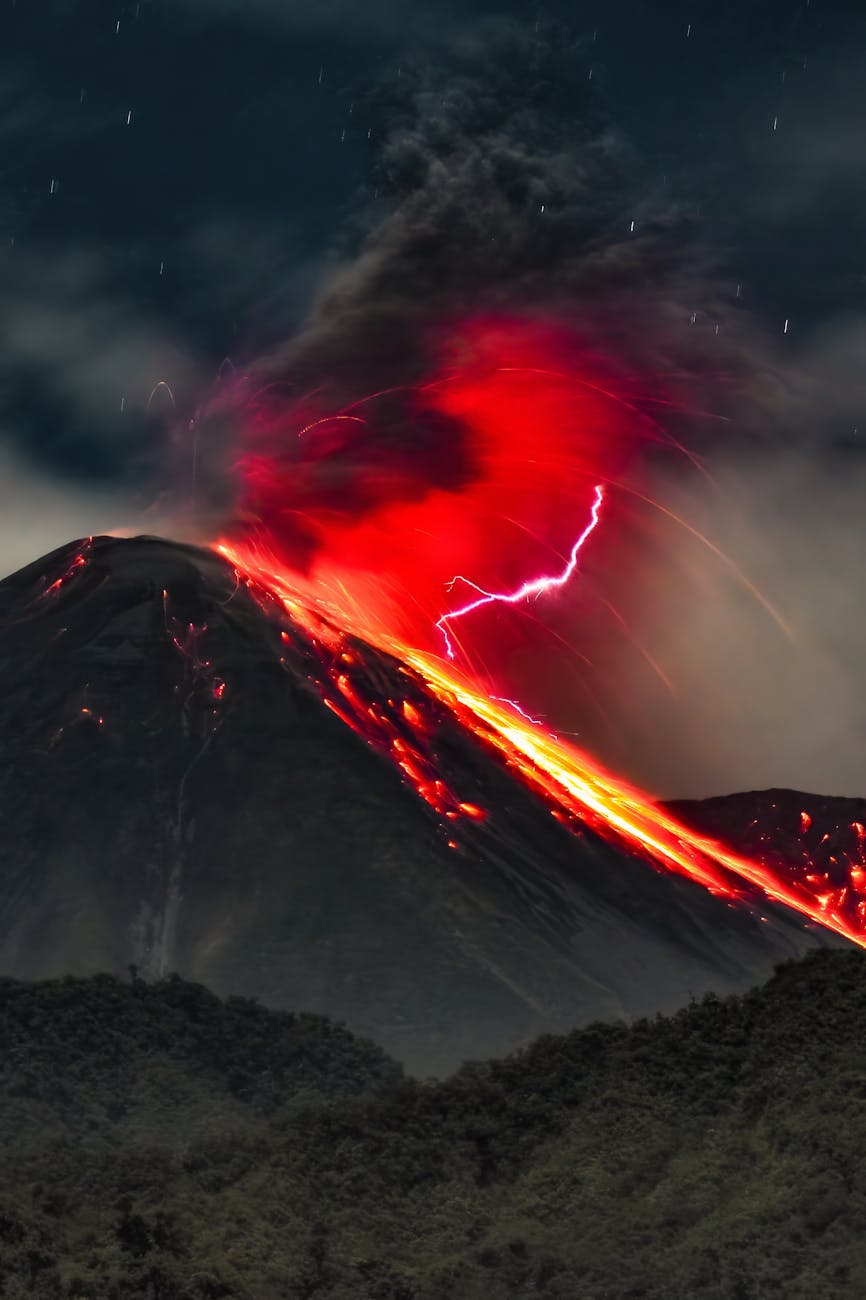
Xangô was never thunder itself.
He was the symbol of consequence when justice is ignored.
Isis was never restoration itself.
She was the symbol of gathering what remains after collapse.
These figures were never meant to replace responsibility. They were meant to illuminate it.
The danger was never symbolism.
The danger was literalism.
The Failure of Outsourced Morality
One of the reasons this series matters is because of what it rejects.
Throughout history, especially within institutional Christianity, morality was often outsourced. Everything that went wrong became the devil’s fault. Everything that went right became God’s favor. Humans remained spectators in their own ethical failures.
That structure does not produce virtue.
It produces excuses.
If good is not earned, gratitude becomes entitlement.
If evil is not owned, accountability disappears.
This is not spirituality.
It is moral evasion.
Any system that removes responsibility from the self corrupts ethics at the root.
The Self Is Not Divine
But It Is Central
This is where my position is often misunderstood.
I do not believe the self is divine.
I believe the self is where ethics live.
No god thinks for you.
No demon acts for you.
No belief system chooses for you.
Only the self does.
That is why, in my philosophy, the Trinity of Life is simple and non negotiable:
Honesty.
Integrity.
The Self.
Honesty aligns you with reality as it is.
Integrity aligns your actions with your values.
The Self is the agent that must live with the consequences.
Remove any one of these and ethics collapse.
Energy, Not Divinity
Everything exists because energy transforms.
This is not belief.
This is physics.
Energy cannot be created or destroyed. It only changes form. Matter, life, heat, motion, consciousness, decay, and renewal all exist within this system.
That is why energy is the only concept that remains consistent across all creation.
Not selective.
Not moralized.
Not punitive.
Not rewarding.
It simply is.
Calling this divine adds nothing. It only reintroduces hierarchy, intention, favoritism, and dogma. The moment something is declared divine, it becomes owned, interpreted, and weaponized.
Energy does not need worship.
It needs understanding.
Why Symbols Still Matter
Rejecting literal gods does not mean rejecting symbols.
It means reclaiming them.
When symbols are understood as symbolic, they stop possessing us. They become mirrors instead of masters.
Each figure in this series represented a function of the psyche:
Isis taught restoration without denial.
Xangô taught justice without cruelty.
Athena taught reason without arrogance.
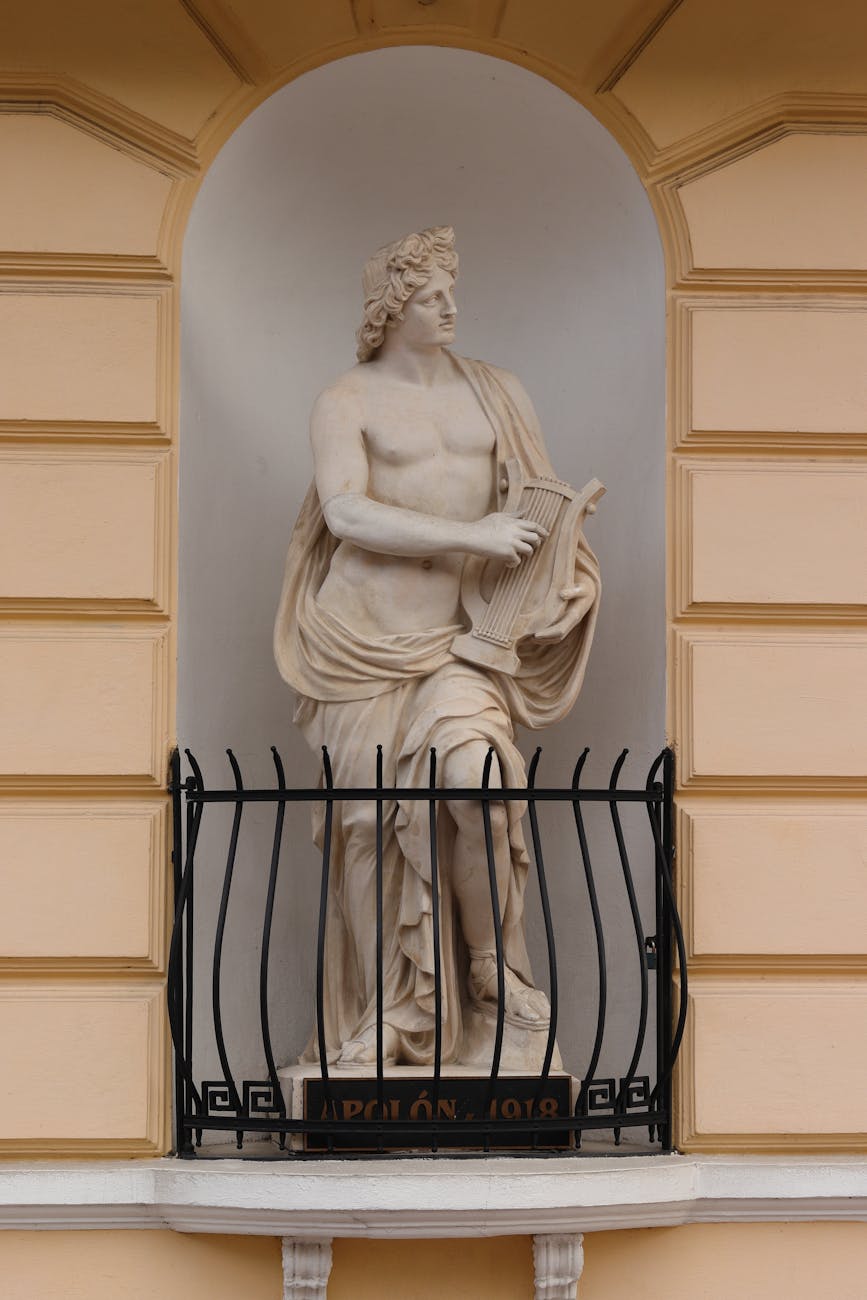
Apollo taught order without control.
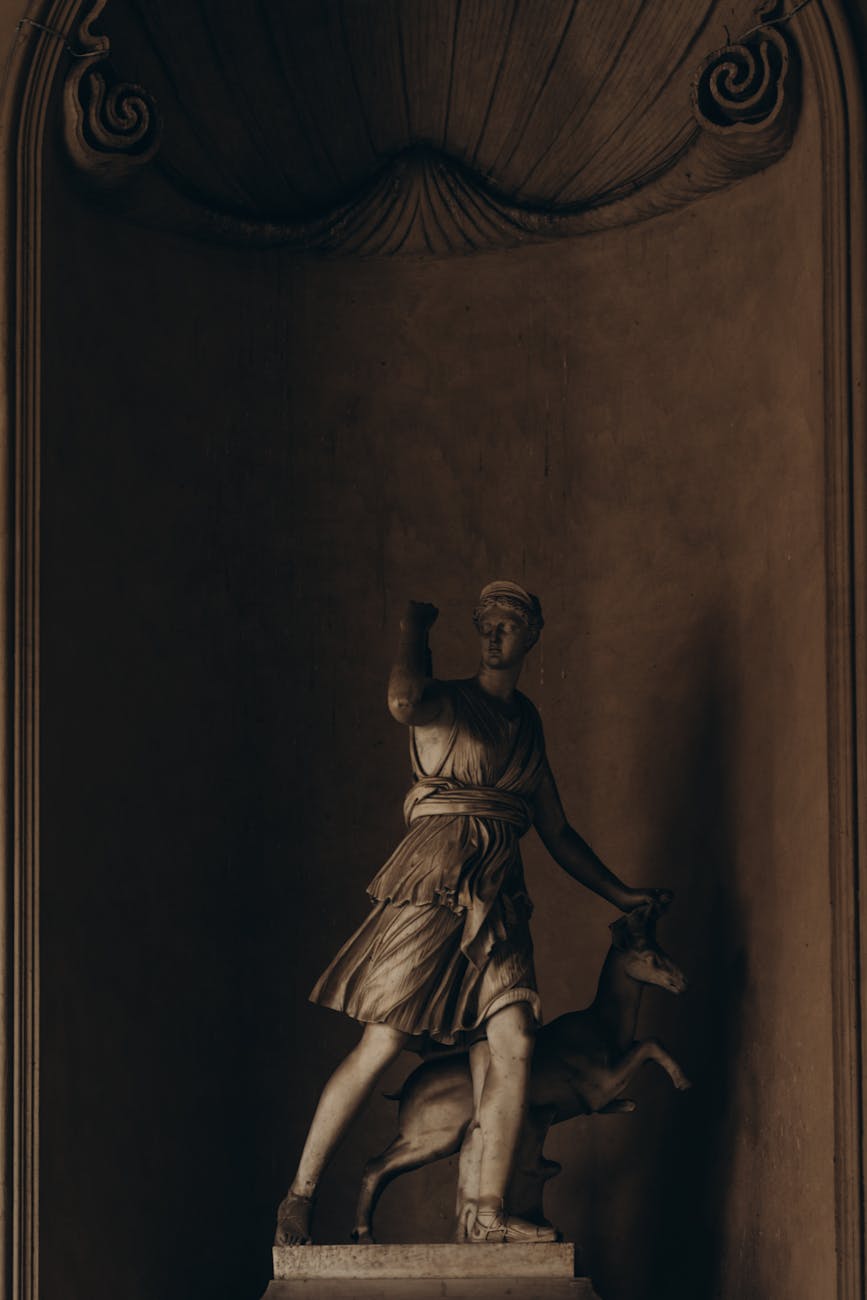
Artemis taught autonomy without isolation.
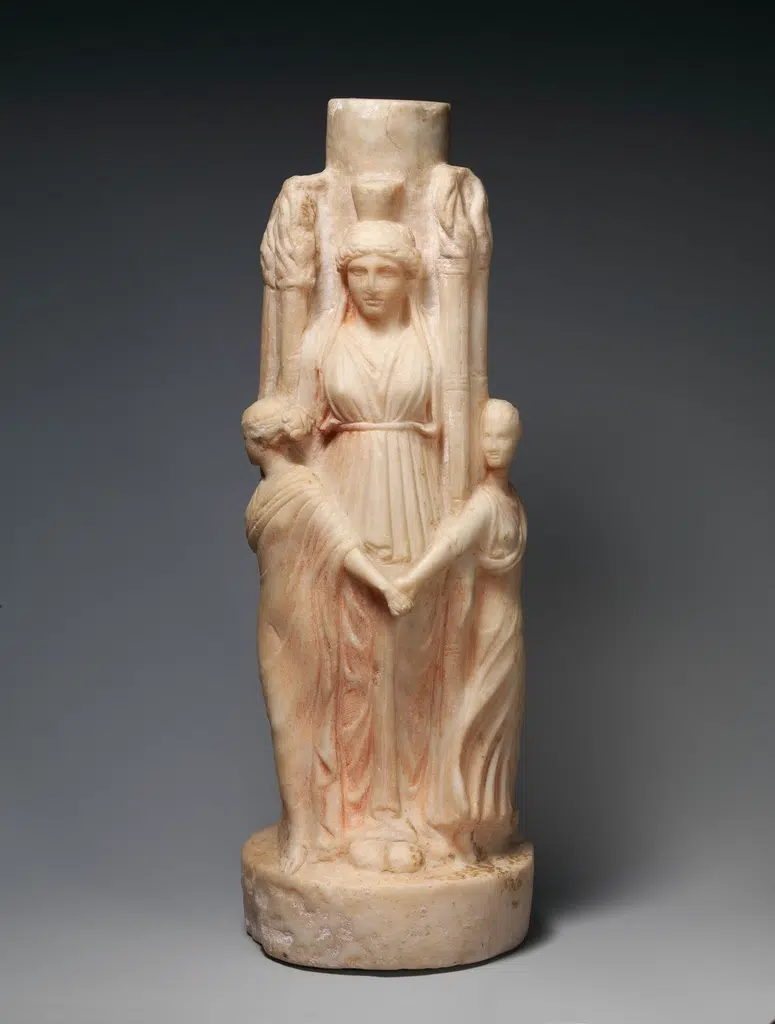
Hekate taught choice without illusion.
Anubis taught endings without hatred.
Odin taught knowledge without comfort.
Together, they formed a map, not a pantheon.
A map of what it means to live consciously.
Ethics Must Be Universal or They Are Worthless
The final truth this series points toward is simple and uncomfortable.
Ethics must apply everywhere, or they apply nowhere.
Any belief system that:
- suppresses questioning
- punishes doubt
- selects who deserves dignity
- claims exclusive access to truth
is not ethical. It is controlling.
Reality does not operate selectively.
Energy does not choose favorites.
Consequences do not respect belief.
So neither should ethics.
Closing Reflection
This series was never about reviving gods.
It was about stripping spirituality of excuses.
Symbols help us understand the unknown.
But responsibility belongs to the self.
Meaning is not granted.
It is constructed through honesty, integrity, and action.
We come from energy.
We return to energy.
What we do in between is the only thing that carries ethical weight.
That is not faith.
That is fact.
And if there is anything that should hold humanity together, it is not fear of gods or demons, but the shared knowledge that we are accountable to reality itself.
That is where ethics begin.
That is where spirituality matures.
And that is where this series ends.