Introduction
In the age of technology, ignorance should have become extinct. Knowledge is available at the touch of a finger, yet stupidity has never been more alive. We have confused access to information with understanding, and comfort with wisdom. The Resilient Philosopher reminds us that the true danger is not in what we do not know, but in believing that we already know enough.
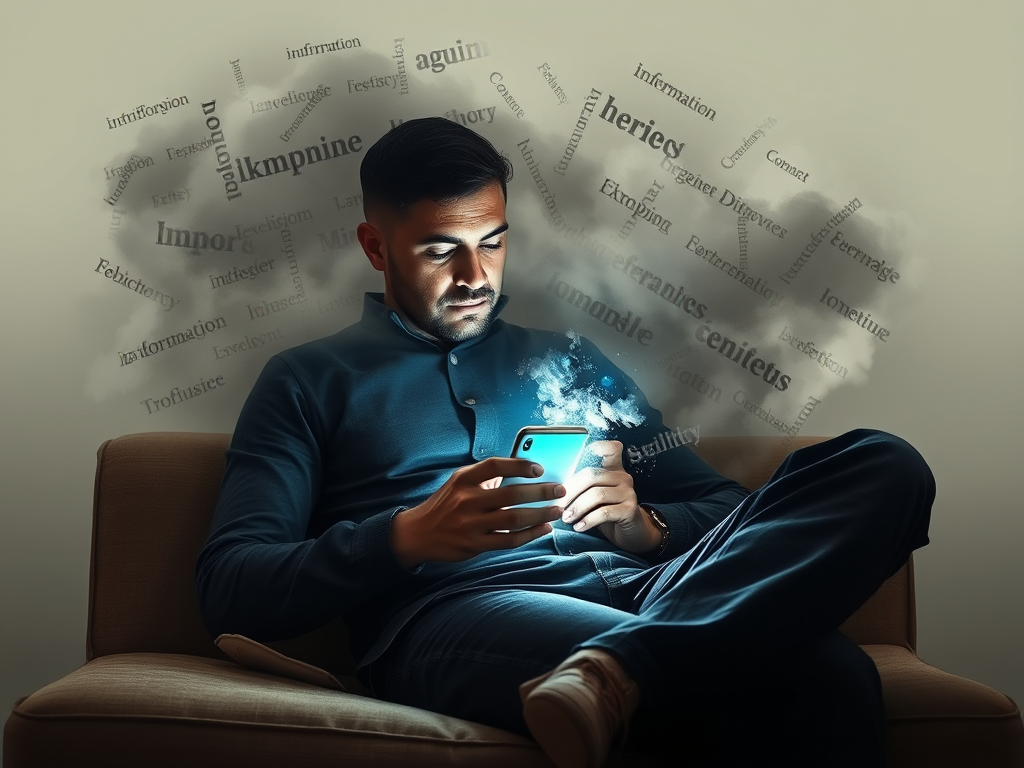
Today, many live inside bubbles of validation. They watch what supports their bias, read what protects their belief, and follow only what agrees with their opinion. To think that the world is limited to one’s surroundings is a sign of ignorance. To consume only what feeds a personal narrative is not intelligence; it is stupidity disguised as conviction.
The world is too big for one person to own, yet it becomes too small when we stop learning. Awareness is not built by what we know, but by what we are willing to question.
The Rise of Stupidity in the Age of Technology
We live surrounded by unlimited access to knowledge, yet blinded by the limits of our own laziness. Stupidity spreads faster than truth because lies require no evidence. They are easily made, quickly shared, and emotionally satisfying. A lie comforts, while truth demands work.
In every era of civilization, stupidity has existed. It adapts like a virus, evolving through time and culture. From the burning of books to the echo chambers of social media, ignorance has always found its voice among the comfortable. The pattern is always the same: once stupidity becomes accepted, a civilization begins its slow decline.
Technology should have made us wise, but it has made many arrogant. Instead of using information to grow, people use it to argue. Instead of asking questions, they seek confirmation. We have built a world where the loudest voices drown out the wisest minds.
The problem is not access, it is effort. To learn requires energy, discipline, and humility. To believe whatever appears first on a screen requires nothing. Lies move faster because they demand no reflection. Truth, however, stands alone, waiting for those strong enough to confront it.
When a society rewards entertainment over education and attention over awareness, stupidity becomes profitable. The algorithms of ignorance are built to feed our egos, not our souls. And the more we feed on what validates us, the more we starve our reason.
The Failure of Social Media and the Silence of Truth
The biggest failure of social media is not its noise, but its lack of responsibility. In a world filled with information, there should be truth available for everyone to verify. Yet, the platforms that shape public thought have chosen engagement over education.
I believe in the First Amendment, and I hold it proudly as one of the greatest symbols of human freedom. But freedom without truth becomes manipulation. Freedom without knowledge becomes chaos. The right to speak should never silence the duty to think.
Social media should never decide what truth is, but it should provide the option for every user to verify information. Imagine if every post, image, or claim came with the choice to have it fact checked upon request by artificial intelligence. It would not silence voices; it would strengthen them. It would not censor opinion; it would separate fact from fiction.
An informed society cannot be controlled. A misinformed one already is. When people stop verifying and start believing everything they read, awareness fades into illusion. The Resilient Philosopher reminds us that leadership begins with truth, not popularity.
The Price of Growth and the Death of Conformity
I have always welcomed questions. To be questioned is to be alive within thought. Growth only comes when we are willing to let go of conformity. Those who fear questions cling to comfort, mistaking it for peace. But peace built on silence is not peace at all, it is surrender.
Conformity is the silent killer of progress. It convinces people that agreement is virtue, and disagreement is rebellion. Yet every great mind in history, every leader who changed the world, began with a single question that defied the norm.
To question is not to rebel; it is to evolve. Leadership is not about possessing all the answers but daring to ask the right questions. It is the courage to say, “What if we are wrong?” and the humility to listen to the answer.
When a leader stops questioning, they stop growing. When a society stops questioning, it stops thinking. And when thinking dies, stupidity takes its throne.
The Resilient Philosopher teaches that silence should be sacred, not submissive. It should be the space where wisdom grows, not the void where conformity thrives. To lead with awareness is to understand that questioning is not chaos; it is consciousness.
The Awakening: From Failure to Resilience
I started truly living the day I dared to question everything. Awareness was born the moment I understood that failures are not punishments, but lessons. Every mistake carries a message, and every fall shapes the foundation of who we are meant to become.
Failures are supposed to build success. Determination is the bridge between defeat and resilience. Resilience is not inherited; it is forged in the fire of repeated trials and conscious reflection.
If my mistakes brought me here, I would not go back to change them. The past is not a burden when you have learned from it. It becomes the map that guides your transformation. Every scar is proof of a lesson survived. Every disappointment is a step toward self-awareness.
The Resilient Philosopher lives through that awareness. To fall is human. To rise is resilience. To reflect is evolution. And to accept the past without regret is the first sign of wisdom.
The Fall of Awareness in Modern Civilization
Modern civilization faces a silent crisis. We have gained intelligence but lost awareness. We have built tools that think faster than we do, and we mistake convenience for progress. The more we rely on technology, the less we trust our own minds.
Our downfall is not the existence of stupidity, but the acceptance of it. When we stop demanding truth and start celebrating ignorance, the light of wisdom fades. The philosopher within each of us is silenced by fear of ridicule, while the loudness of opinion becomes the measure of truth.
Awareness requires humility. It requires accepting that to know is not the same as to understand. True knowledge is never loud. It is quiet, patient, and reflective. It questions before it concludes.
If we continue to trade thought for speed, and meaning for reaction, the progress we celebrate will become the very tool of our decay. The digital age may connect us across the world, yet it has disconnected us from ourselves.
Conclusion: The Return to Awareness
Ignorance may have ancient roots, but awareness is eternal. The future of humanity will not be decided by how much we know, but by how deeply we understand. The Resilient Philosopher teaches that awareness is not a destination but a state of being, one born from humility, curiosity, and courage.
To think the world revolves around your beliefs is ignorance. To silence questions for comfort is conformity. But to rise from failure, embrace awareness, and seek truth beyond ego—that is resilience.
Civilizations rise and fall on the quality of their thinking. If stupidity continues to dominate, history will repeat its failures once again. Yet if awareness returns to guide our path, there is still hope that humanity can learn, lead, and evolve.
The time to awaken is now. Because those who choose to see, lead the ones who refuse to look.
Books Referenced:
The Resilient Philosopher: The Prism of Reality
Leadership Lessons from the Edge of Mental Health
Mastering the Self: The Resilient Mind Vol. 2