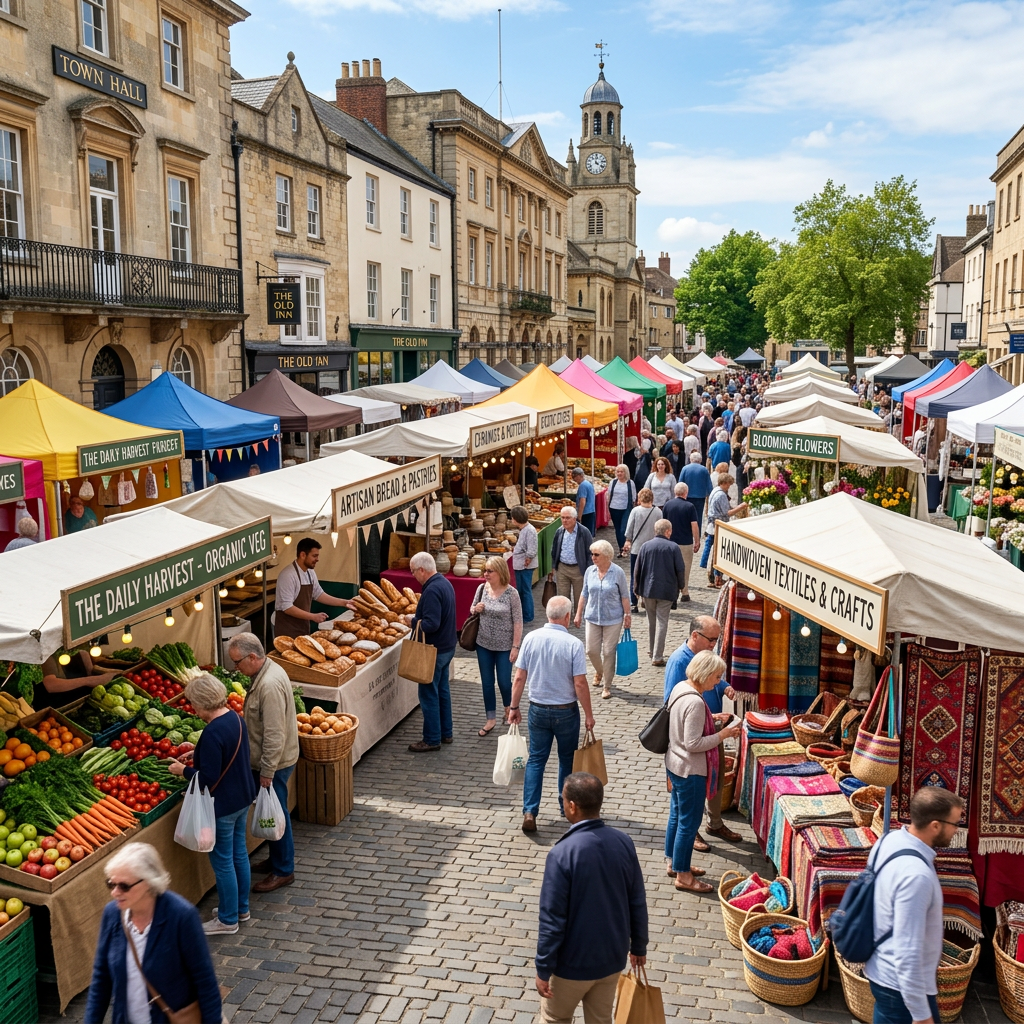
Tag: Choice

  • The Structure of Acceptance: When Choice Turns to Necessity

    The Structure of Acceptance: When Choice Turns to Necessity

    Series: The Structure of Acceptance: When Choice Becomes Necessity

    “When people only have one option, they are not choosing. They are surviving.” – D. L. Dantes

    Introduction

    Choice is one of the words people use often, but not every decision is made from real freedom. Sometimes people choose because they have options, and sometimes they choose because necessity has narrowed the path in front of them. That difference matters because a society can claim to offer freedom while slowly removing the conditions that make meaningful choice possible.

    A healthy economy is not only measured by how much it produces. It is also measured by how well people can participate in it. When distance, cost, wages, transportation, and access begin to close around people, choice becomes less about preference and more about survival. At that point, the market may still be functioning, but the human being inside the market is being reduced.

    The Memory of Local Exchange

    I remember a form of exchange where labor and survival were closer together. In Cuba, barter was not only about trading one item for another. Sometimes labor itself could be paid through commodities, such as a farmer paying workers with rice so they could feed their families or sell what they received.

    That kind of system had its own limits, and I am not romanticizing hardship. But it reveals something modern economies often forget. Value is not only money. Value can be food, labor, skill, access, trust, and local relationship. When people are closer to the source of what they need, they understand more clearly that survival depends on circulation.

    Business Attracts Business

    Large systems can become so centralized that they forget how local business supports local business. Something as simple as allowing a food truck near a retail location once a week can create value for employees, customers, and another small business. That is not disorder. That is circulation.

    Business attracts business because choice attracts people. One of the lessons I remember from studying business is that a good place for a pizza restaurant may be near another pizza restaurant. If two places are close to each other, people can decide by preference. If they are far apart, the decision may be based more on distance, convenience, or necessity.

    When Markets Lose the Human Scale

    A market becomes weaker when people are treated only as consumers after they have already been weakened as workers, neighbors, and participants. The more detached a system becomes from the people living inside it, the easier it is to confuse access with freedom. A store may exist, but if a person cannot afford to get there, buy from it, or choose between real alternatives, the appearance of choice becomes thin.

    This is why local economies matter. Small businesses, community exchange, and human-scale competition help keep value moving closer to the people who create and use it. They remind us that economic structure should not only serve efficiency. It should also preserve participation, because a society where people only survive through necessity is not the same as a society where people are free to choose.

    “A healthy market does not fear choice. It creates enough value for choice to exist.” – D. L. Dantes

    The goal is not to return to scarcity or glorify older struggles. The goal is to remember that convenience is not always freedom, and centralization is not always progress. A healthy society needs systems large enough to provide stability, but local enough to remain human. When people have real choices, they participate with dignity. When choice becomes necessity, people may still move through the system, but they are no longer fully living inside it. They are surviving inside a structure that has forgotten how to circulate value back to them.

    By D. L. Dantes, The Resilient Philosopher

    Next in the series: How Division Makes Society Easier to Control

    Leave a comment and share this article with others who may benefit from the reflection.

  • When Choice Becomes a Trap

    When Choice Becomes a Trap

    “The beauty of capitalism is choice, but the ethics of capitalism depends on whether people still have real choices.” – D. L. Dantes

    Introduction

    Choice is often presented as the clearest evidence of freedom. If a person does not like one price, one company, one product, or one service, they can supposedly go somewhere else. That is the promise behind capitalism at its best. It gives people options, and options allow people to compare, reject, negotiate, wait, or choose another path.

    But choice only protects freedom when the options are real. When necessity, limited access, high prices, and concentrated power remove meaningful alternatives, choice becomes symbolic. A person may still be told they are free, but that freedom can become a trap when every available option leads back to the same pressure.

    The Promise of Choice

    The strongest defense of capitalism is not greed. It is choice. A customer should be free to compare prices, reject a sale, buy elsewhere, or decide that the product is not worth the cost. That freedom matters because choice protects dignity. It reminds the person that they are not trapped inside one seller’s demand.

    I saw this recently with a customer who was upset about the price of a part. I did not defend the company blindly, and I did not treat his frustration as ignorance. I calmly explained that the beauty of capitalism is choice. He had the choice to buy somewhere else for less. If there were more competing parts stores in the area, prices might even drop more. We could not help him that day, but maybe next time we would have the best price for him. He left happy because he was not pressured. He was respected.

    When Markets Forget Ethics

    A market does not naturally ask whether something is good. It asks whether something sells. It does not automatically measure dignity, family stability, clean water, fair wages, community health, or the human cost of constant pressure. Those values have to come from ethics, culture, law, leadership, and conscience.

    Capitalism does not create greed, but it can amplify it. If exploitation becomes profitable, exploitation becomes normalized. If short-term gain is rewarded more than long-term responsibility, people learn to chase the reward and ignore the damage. That is not only an economic issue. It is a psychological and ethical issue because systems shape behavior when incentives go unchecked.

    When Freedom Becomes Thin

    There is a difference between theoretical freedom and practical freedom. A person may be free to choose another company, but if there are no real competitors nearby, that freedom becomes thin. A person may be free to reject a price, but if the product is necessary and every provider charges beyond reach, the choice becomes symbolic.

    This is where capitalism can contradict its own promise. Choice is not real when necessity is cornered. Competition is not real when power is concentrated. Freedom is not real when survival depends on accepting whatever price the market places on essential goods. At that point, the language of freedom can become a mask for dependence.

    Stewardship and Real Freedom

    Regulation is often treated as the enemy of freedom, but ethical restraint can protect freedom when it prevents abuse. The problem is not regulation itself. The problem is corrupt regulation, performative regulation, or regulation written to protect those already holding power. Ethical regulation should preserve competition, prevent exploitation, and keep necessity from becoming a weapon.

    This is where stewardship matters. Stewardship does not reject markets. It asks what markets are serving. Are they serving people, or are people being forced to serve them? Are companies creating opportunity, or are they turning dependence into profit? Are leaders protecting the future, or are they sacrificing it for short-term gain?

    “A market can create wealth, but only stewardship can keep wealth from becoming permission to exploit.” – D. L. Dantes

    Closing Reflection

    Capitalism is strongest when it creates real choices and weakest when it hides dependence behind the language of freedom. The goal should not be blind defense or blind rejection. The goal should be ethical correction. A society does not need to destroy markets to restrain greed. It needs leaders, citizens, companies, and institutions willing to remember that wealth is a tool, not a virtue. If choice is supposed to protect freedom, what happens when every choice still leaves people trapped?

    By D. L. Dantes, The TyResilient Philosopher

    Leave a comment and share this article with others who may benefit from the reflection.